


Trans Pride Crocs Shoe Charms
- Regular price
- $15.00
- Sale price
- $15.00
- Regular price
-
- Unit price
- per
🚚 Free shipping on orders over CAD $35
-
✉️
Discreet by default
Every order ships in a plain envelope.
-
🛡️
Packed safe by us
Packed in bubble envelopes. If it turns up damaged, we'll replace it free.
-
🌍
Ships worldwide
Free shipping worldwide on orders over $35. Tracked upgrade available.
Description
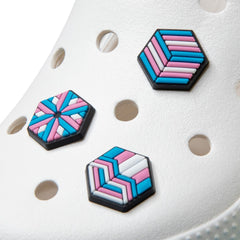
Introducing our latest addition to the Proud Zebra collection: Trans Crocs Shoe Charms!
This unique set features three of our most popular Proud Cube pin designs: Flag Cube, Identity Cube, and Love Cube. Designed specifically for the Trans community, these charms are the perfect way to personalize and express your identity on your favorite pair of Crocs.
Whether you're stepping out for a casual day or attending a pride event, these Trans Crocs Shoe Charms let you show off your pride stylishly. Grab your set today and take a step towards more expressive and inclusive fashion!
Great as a Pride Month gift, a care package, or a 'just saw these and thought of you' surprise. Comes as a set of 3 so you can keep one and share two with your trans friends.
Details
- Set of 3 Croc Charms (Flag Cube, Identity Cube, Love Cube)
- Dimension: 20mm x 22mm (each charm)
- Material: Soft Rubber/PVC, Matte Finish
- Fits Standard Crocs Shoe Holes
Stay Proud, Stay Happy
With Love from Proud Zebra
We put our money where our mouth is.
We're a queer-owned Canadian small business that gives back. Since 2021 we've donated $10,219.58 and counting.
-
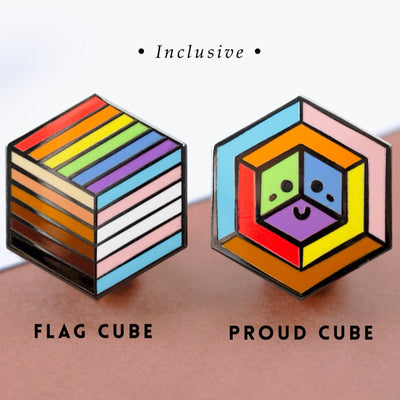
Signature & Flag Cube Pin Set (2 Pins)
$27.00
$30.00 -
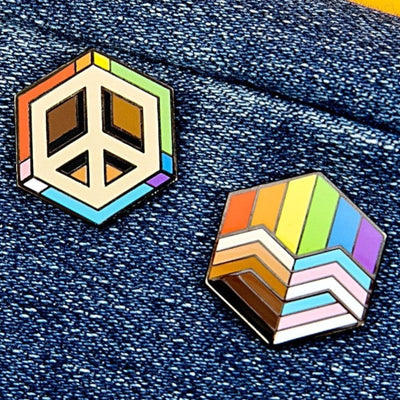
Love & Peace Cube Pin Set (2 Pins)
$27.00
$30.00 -
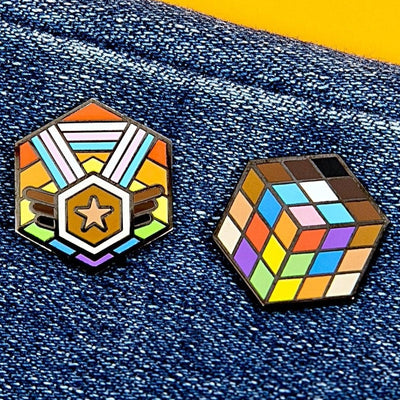
Medal & Rubik's Cube Pin Set (2 Pins)
$27.00
$30.00 -
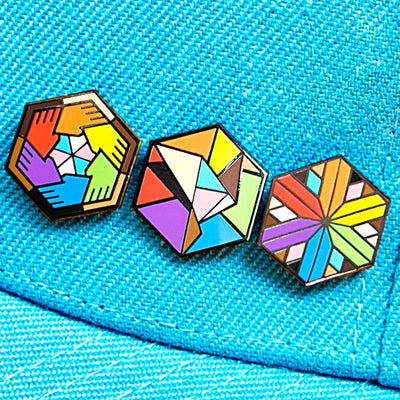
Community, Freedom & Identity Cube Pin Set (3 Pins)
$39.00
$45.00 -
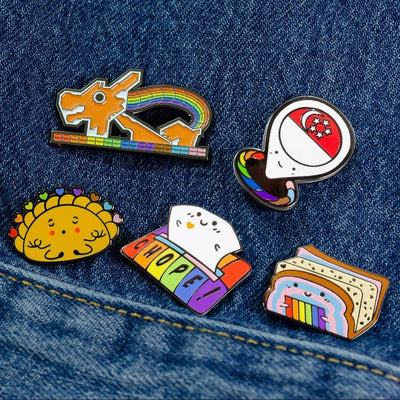
Singapore Classics Bundle
$65.00
-
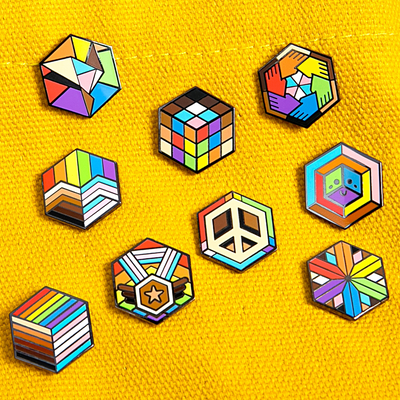
Complete Your Flag - Full Proud Cube Collection (9 Pins)
$108.00
$135.00 -
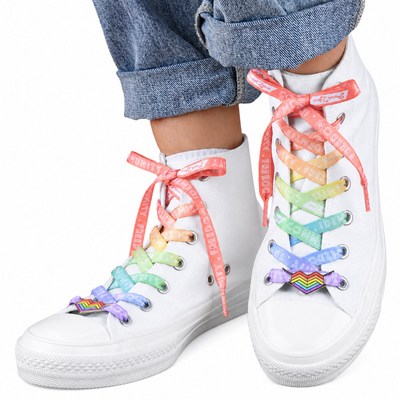
Pride Shoelaces & Lace Locks Bundle
$34.00
$40.00 -
Pride Mystery Pack
$34.99
$70.00 -
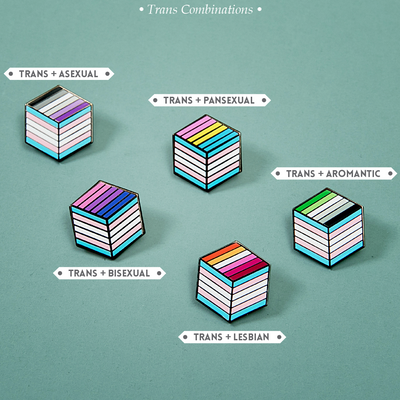
Trans Combination Pin Sets
$39.00
$45.00 -
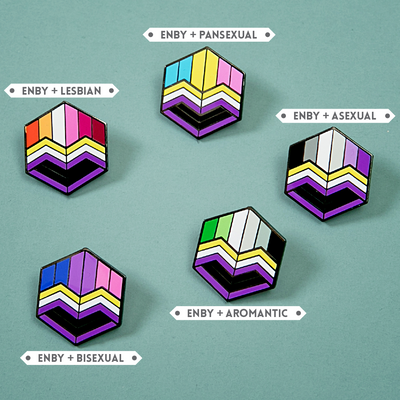
Non-Binary Combination Pin Sets
$39.00
$45.00
-
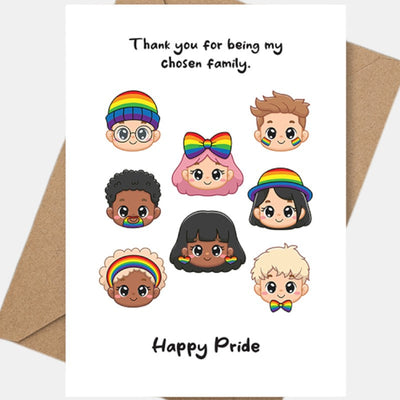
Pride: Chosen Family - LGBTQ+ Greeting Card
$6.00
-
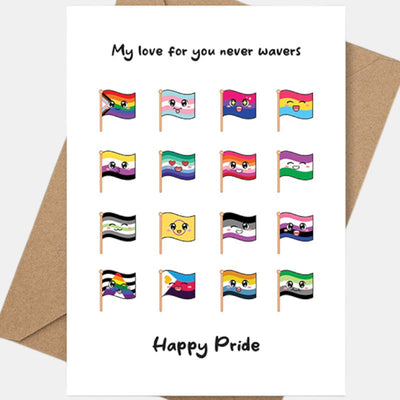
Pride: Waving Pride Flags - LGBTQ+ Greeting Cards
$6.00
-
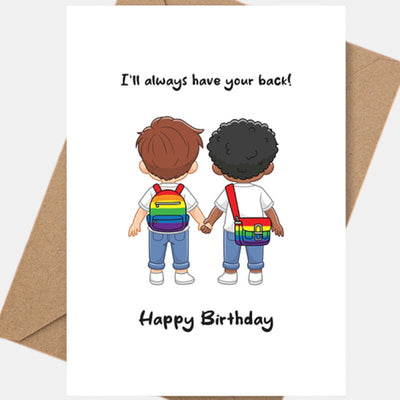
Birthday: I'll Always Have Your Back - LGBTQ+ Greeting Cards
$6.00
-
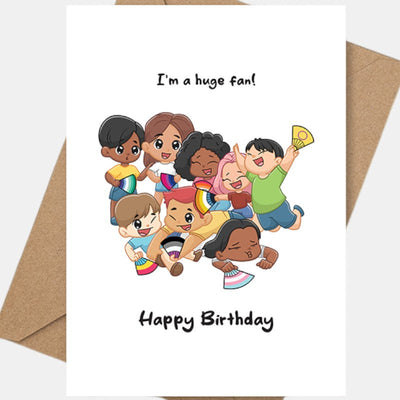
Birthday: I'm a Huge Fan - LGBTQ+ Greeting Cards
$6.00
-
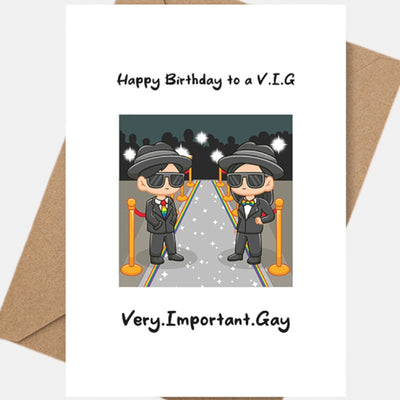
Birthday: V.I.G - LGBTQ+ Greeting Cards
$6.00
-
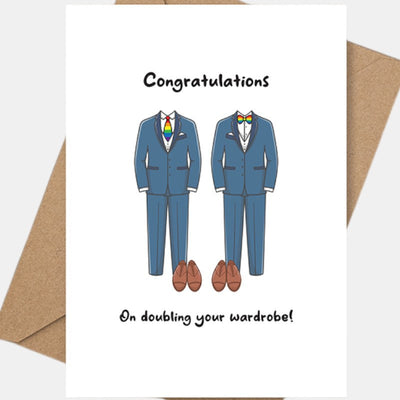
Wedding: Mr & Mr - LGBTQ+ Greeting Cards
$6.00
-
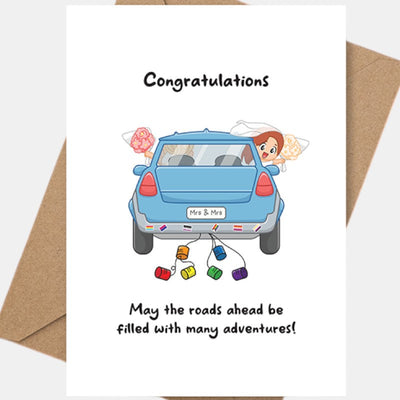
Wedding: Mrs & Mrs - LGBTQ+ Greeting Cards
$6.00
-
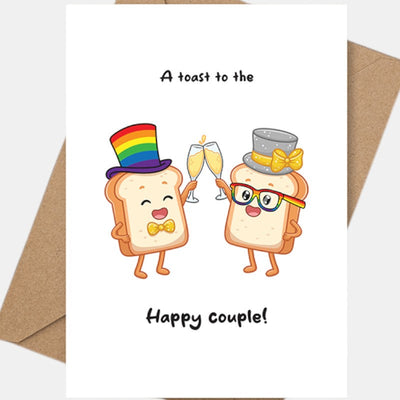
Wedding: Toast - LGBTQ+ Greeting Cards
$6.00
-
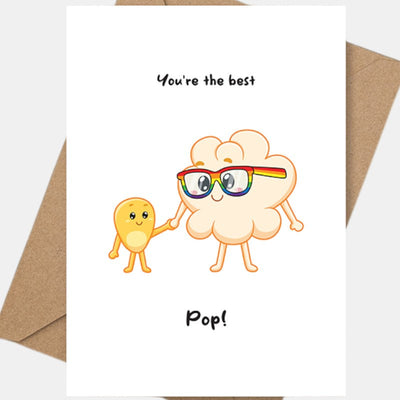
Parenthood: Best Pop - LGBTQ+ Greeting Cards
$6.00
-
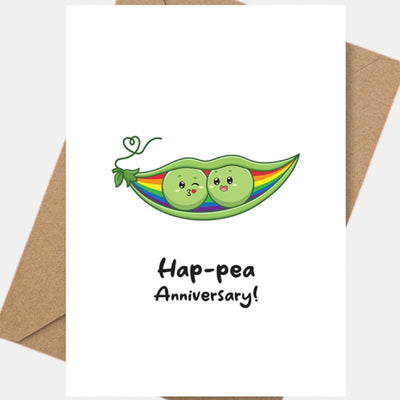
Anniversary: Hap-pea Anniversary - LGBTQ+ Greeting Cards
$6.00
-
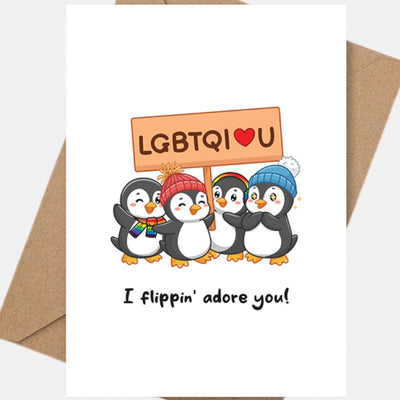
Anniversary: I Flippin' Adore You - LGBTQ+ Greeting Cards
$6.00
-
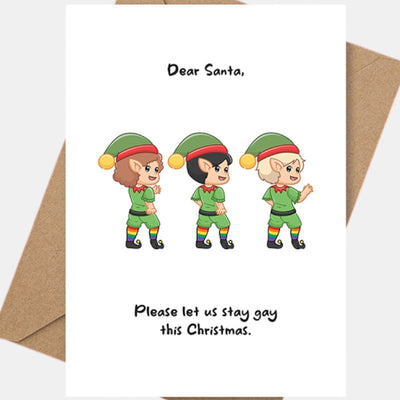
Holidays: Gay Elves - LGBTQ+ Greeting Cards
$6.00
-
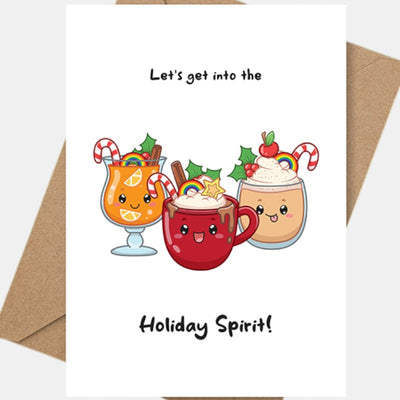
Holidays: Holiday Spirit - LGBTQ+ Greeting Cards
$6.00
-
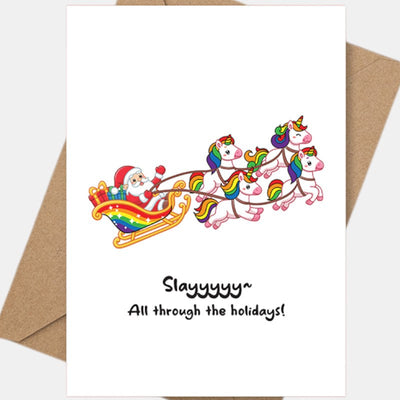
Holidays: Slay - LGBTQ+ Greeting Cards
$6.00
-
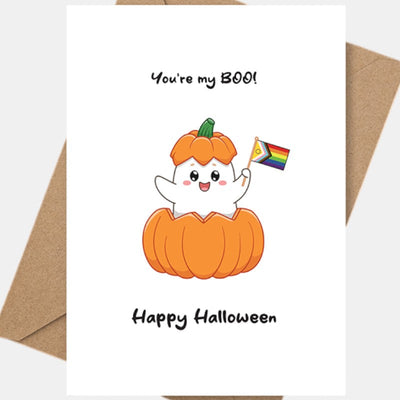
Halloween: You're My Boo - LGBTQ+ Greeting Cards
$6.00
-
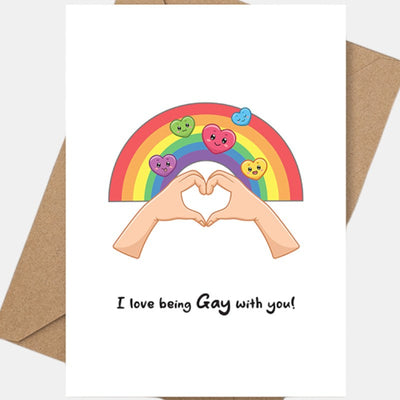
Queer Joy: Gay With You - LGBTQ+ Greeting Cards
$6.00
-
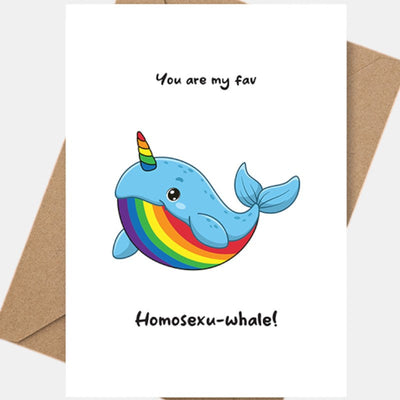
Queer Joy: Homosexuwhale - LGBTQ+ Greeting Cards
$6.00
-
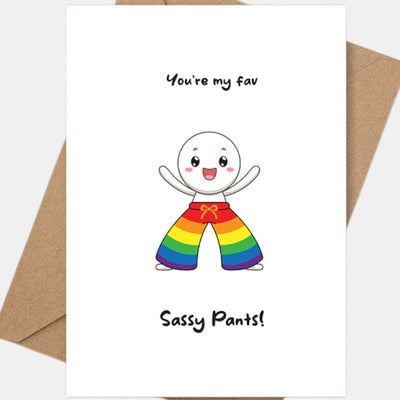
Queer Joy: Sassy Pants - LGBTQ+ Greeting Cards
$6.00
-
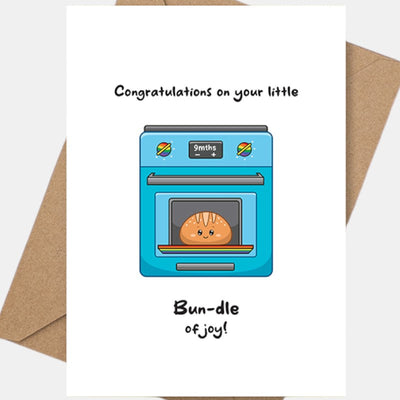
Parenthood: Bundle of Joy - LGBTQ+ Greeting Cards
$6.00
-
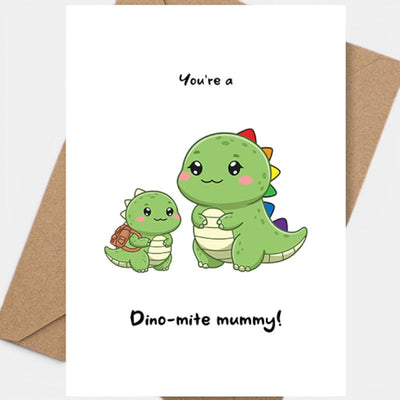
Parenthood: Dino-mite Mummy - LGBTQ+ Greeting Cards
$6.00

